Request InformationCall (937) 518-5627

A Supportive Environment for Lasting Recovery

Transitioning out of treatment can be challenging. Returning to an unstable or substance-exposed environment may increase the risk of relapse. Recovery housing provides stability during this important transition, giving individuals time to strengthen their routines and confidence before living independently.

Izzy’s House offers a substance-free, home-like environment with structure, accountability, and a supportive community. Residents have the opportunity to build healthy habits, develop life skills, and stay connected to recovery resources.

What Is Relapse Prevention?

Relapse prevention involves recognizing personal triggers, identifying early warning signs, and developing healthy ways to respond to stress, cravings, and conflict. It also includes building routines that support sobriety, staying connected to positive people and recovery resources, and having a plan for when extra support is needed.

A setback does not erase the progress someone has made. It may be a sign that their recovery plan needs additional structure, support, or professional care.

How Sober Living Supports Relapse Prevention

A Substance-Free Living Environment

A home without alcohol, illicit drugs, or other prohibited substances reduces exposure to common triggers and supports a recovery-focused lifestyle.

Daily Structure and Accountability

Consistent routines can help residents manage responsibilities, reduce uncertainty, and build habits that support independent living.

A Community of People in Recovery

Living alongside others who understand the recovery process can reduce isolation and create opportunities for encouragement and connection.

Greater Independence With Continued Support

Residents can return to work, school, family responsibilities, and everyday life while still benefiting from a stable recovery environment.

Connections to Helpful Resources

Explain how Izzy’s House can help residents access community-based recovery, mental health, employment, transportation, or other appropriate resources.

Common Relapse Triggers

Stress and emotional overwhelm
Conflict with family or friends
Loneliness and social isolation
Exposure to people, places, or situations connected to past substance use
Major life changes
Major life changes
Unstructured time
Unstructured time
Poor sleep or neglected health
Overconfidence or disengagement from recovery support
Financial or employment challenges
Untreated mental health concerns

Recognizing a trigger is not a weakness. It gives a person the opportunity to use their plan, reach out for support, and make a healthier decision.

Building a Personal Relapse Prevention Plan

  • Identify personal triggers.
  • Recognize emotional, mental, and behavioral warning signs.
  • List coping strategies that can be used immediately.
  • Establish reliable people to contact.
  • Create a plan for high-risk situations.
  • Maintain healthy daily routines.
  • Stay connected to treatment providers and recovery resources.
  • Know what to do if a setback occurs.

Clinical relapse-prevention plans should be developed with an appropriate addiction treatment or behavioral health professional.

Who May Benefit From Recovery Housing?

  • Has completed detoxification or a treatment program
  • Is transitioning out of residential or inpatient care
  • Participates in outpatient addiction treatment
  • Wants a safer, more structured living environment
  • Does not have stable or substance-free housing
  • Wants to strengthen independent living skills
  • Would benefit from living within a supportive recovery community
  • Is committed to following house expectations and maintaining sobriety

Recovery Housing Across Ohio

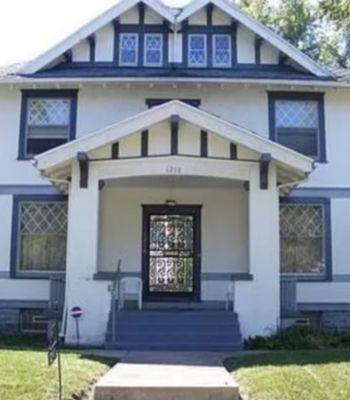
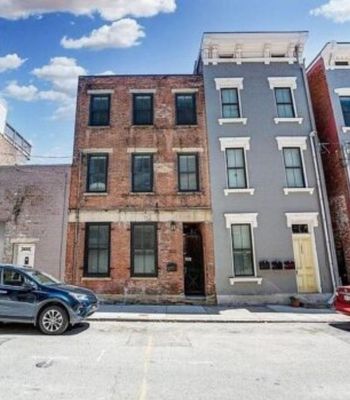
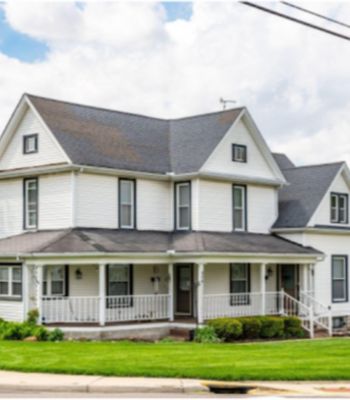
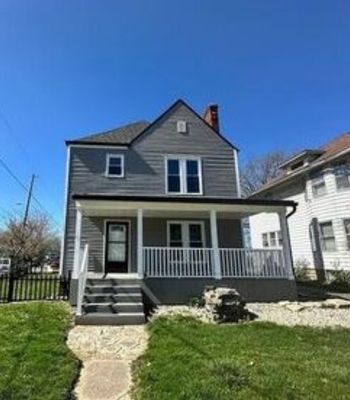
Izzy’s House operates recovery homes for men, women, and eligible couples in several Ohio communities. Availability, resident eligibility, and household arrangements vary by location.

Dayton

Cincinnati

Sidney

Lima

Explore Our Recovery Homes

Why Choose Izzy’s House?

Izzy’s House provides more than a safe place to live—it offers a supportive environment designed to help residents build stability, confidence, and independence in recovery. With substance-free housing, structured routines, peer connection, and access to helpful community resources, residents can continue moving forward while creating a stronger foundation for long-term sobriety.

Request Information

Substance-free recovery housing

Homes for men and women

Supportive, community-oriented environment

Multiple Ohio locations

Access to transportation and community resources

Structure that supports greater independence

Comfortable, home-like living spaces

Recovery-focused accountability

Certification

Start Building a Stronger Foundation for Recovery

Long-term recovery is built one decision, one routine, and one day at a time. Izzy’s House provides a stable place where residents can continue moving forward while preparing for greater independence.

Request InformationCall (937) 518-5627

Frequently Asked Questions

Clarify that Izzy’s House provides recovery housing and a supportive environment. Clinical treatment, therapy, detoxification, and medical services should be provided by qualified outside professionals unless Izzy’s House formally offers them.

Izzy’s House welcomes adults who are committed to their recovery from substance use and are looking for a supportive, structured place to continue their journey. Our homes are designed for individuals who want accountability, community, and the tools needed to maintain lasting sobriety.

Explain that requirements may vary and encourage visitors to contact the team to discuss their situation.

Explain that Izzy’s House offers different living arrangements by location, including homes for men, women, and eligible couples.

Dayton, Cincinnati, Sidney, and Lima, Ohio.

Encourage them to contact a treatment provider, counselor, sponsor, trusted support person, or emergency resource. Include 911 and 988 language where appropriate.

CONTACT US